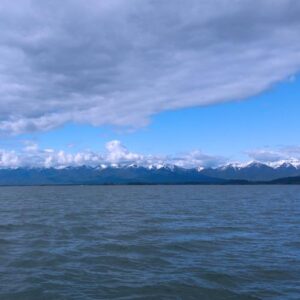
 Flathead Lake is the largest natural freshwater lake in the western United States. Lying in the Flathead Valley of Northwest Montana, the lake is more then 300 feet deep and extends north and south some 28 miles and is seven to 15 miles wide.
As you drive and drive on the roads that hug Flathead Lake’s shoreline, (US Highway 93 on the west and Montana Route 35 on the east) it’s hard to believe manmade dams that are so common in the Pacific Northwest didn’t create it. Rather, the lake is a fortuitous product of the activity of ice-age glaciers, and is fed by the Swan and Flathead Rivers.
All manner of water sports are enjoyed upon its 200 square miles of surface. Several state parks and lakeshore communities have boat launches and marinas on the Lake.
 You can avail yourself of a boat tour or rent one of the many types of watercraft including canoes, kayaks, windsurfers, hydro bikes, sailing and fishing boats. Serious anglers can arm themselves with heavy-duty equipment and probe the 300-foot deep Flathead Lake for trophy Mackinaw. Lake trout, salmon, perch, pike, bass, and whitefish are found in the Flathead area’s many lakes.
Locals know summer has arrived when a steady stream of traffic starts to build on the secondary roads. So in peak season expect to share your enjoyment of the Flathead Valley with many others, although the mountains still offer room to get-away if you are willing to exert yourself.

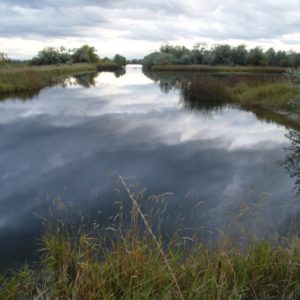 Photography and wildlife observation are encouraged. Waterfowl numbers vary throughout the year. There may be as many as 80,000 in October and November, and half that number in late March and through early May. A few ducks and geese may spend the winter. Nesting begins in late March and lasts through July. The most numerous nesting species are Canada geese, mallards, and redheads. Pintail, American widgeon, shoveler, blue and green-winged teal, ruddy duck, gadwall, common merganser, and coot are also present. Other species of water, marsh, and upland birds are abundant from May to October. Common loons are occasionally seen and this is a good area to see Bald Eagles.
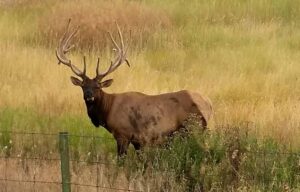
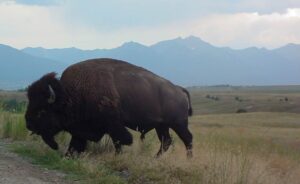 A large portion of the 18, 500 acre Range consists of native Palouse prairie; forests, wetlands, and streams are also found here providing a wide range of habitats for wildlife. Elk, deer, pronghorn, black bear, coyote and ground squirrels are just some of the mammals that share the area with 350 to 500 bison. Over 200 species of birds also call this home including eagles, hawks, meadowlarks, bluebirds, ducks, and geese.
 Prairie Drive/West Loop: a 5-mile gravel road that travels through the flats. It is open to trailers and large RVs. It goes by the Bison Display Pasture. Plan for 1/2 hour. Open year round.


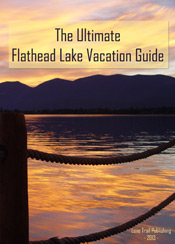
 Click Here to Purchase your guide.
 Website: